<?xml version="1.0" encoding="utf-8"?>
<feed xmlns="http://www.w3.org/2005/Atom">
    <title>authoritism.ericschrijver.nl</title>
    <link rel="alternate" type="text/html" href="http://authoritism.ericschrijver.nl/" />
    <link rel="self" type="application/atom+xml" href="http://authoritism.ericschrijver.nl/atom.xml" />
    <id>tag:,2008-12-18:/7</id>
    <updated>2009-02-12T16:19:54Z</updated>
    
    <generator uri="http://www.sixapart.com/movabletype/">Movable Type Pro 4.23-en</generator>

<entry>
    <title>What we are going to do</title>
    <link rel="alternate" type="text/html" href="http://authoritism.ericschrijver.nl/what-we-are-going-to-do.html" />
    <id>tag:authoritism.ericschrijver.nl,2009://7.380</id>

    <published>2009-02-09T01:41:11Z</published>
    <updated>2009-02-12T16:19:54Z</updated>

    <summary>
There have been plenty of artists bringing technology into art; we will bring art into technology...
</summary>
    <author>
        <name>Eric</name>
        <uri>http://www.ericschrijver.nl</uri>
    </author>
    
    
    <content type="html" xml:lang="nl" xml:base="http://authoritism.ericschrijver.nl/">
        <![CDATA[<p>
There have been plenty of artists bringing technology into art; we will bring art into technology.
</p>

<p>
We will make this:
</p>
<pre class="code">
data:image/png;base64,
iVBORw0KGgoAAAANSUhEUgAAABAAAAAQCAYAAA
Af8/9hAAAAGXRFWHRTb2Z0d2FyZQBBZG9iZSBJ
bWFnZVJlYWR5ccllPAAAAEtJREFUeNpi/P//P8
M/rfr/DGQApmuNjCxIfEYS9YMtZWKgELAQsgEL
YCTWAEZyXUAoQAm6gJHSMBh1wWB2ASOxBpDtAr
KyNECAAQD3BA8+RC2nVwAAAABJRU5ErkJggg==
</pre>

<p>
Become this:
</p>

<pre class="code">
/*XPM*/
static char *text[  = {
/* columns rows colors chars-per-pixel */
&quot;16 16 2 1&quot;,
&quot;█ c #FD297E&quot;,
&quot;  c None&quot;,
/* pixels */
&quot; ██████████████ &quot;,
&quot; █            █ &quot;,
&quot; █    ██████  █ &quot;,
&quot; █            █ &quot;,
&quot; █  ████████  █ &quot;,
&quot; █            █ &quot;,
&quot; █  ████████  █ &quot;,
&quot; █            █ &quot;,
&quot; █  ████████  █ &quot;,
&quot; █            █ &quot;,
&quot; █  ████████  █ &quot;,
&quot; █            █ &quot;,
&quot; █  ██████    █ &quot;,
&quot; █            █ &quot;,
&quot; ██████████████ &quot;
};
</pre>
 ]]>
        
    </content>
</entry>

<entry>
    <title>Why we are doing it</title>
    <link rel="alternate" type="text/html" href="http://authoritism.ericschrijver.nl/why-we-are-doing-it.html" />
    <id>tag:authoritism.ericschrijver.nl,2009://7.381</id>

    <published>2009-02-09T00:04:57Z</published>
    <updated>2009-02-12T16:20:21Z</updated>

    <summary>Because we can not afford to let the primary medium of our time be one that we can not express ourselves in, or one we do not feel like applying our skills to...</summary>
    <author>
        <name>Eric</name>
        <uri>http://www.ericschrijver.nl</uri>
    </author>
    
    
    <content type="html" xml:lang="nl" xml:base="http://authoritism.ericschrijver.nl/">
        <![CDATA[<p>
When we bemoan the crudeness of digital technology, we act as if it is handling on its own accord. It is not. People are constantly making decisions that fundamentally influence the way we will be dealing with technology in our future lives, whether as designers or as end users.
</p>

<p>
And that is why we should get involved. As designers and artists, we are either busy with communicating something, or with the process of communication in itself. At this moment the screen is replacing paper as the medium we frame other media in. We should not see this as a big deal. The process of communication will remain. But E think we can't afford to let the primary medium of our time be one that we can not express ourselves in, or one we do not feel like applying our skills to.
</p> ]]>
        
    </content>
</entry>

<entry>
    <title>Our added value</title>
    <link rel="alternate" type="text/html" href="http://authoritism.ericschrijver.nl/visuals/public.html" />
    <id>tag:authoritism.ericschrijver.nl,2009://7.382</id>

    <published>2009-02-08T02:10:10Z</published>
    <updated>2009-02-25T02:12:09Z</updated>

    <summary>A small collection of public domain pictures showing the added value of approaching culture from a visual perspective...
</summary>
    <author>
        <name>Eric</name>
        <uri>http://www.ericschrijver.nl</uri>
    </author>
    
        <category term="Visuals" scheme="http://www.sixapart.com/ns/types#category" />
    
    
    <content type="html" xml:lang="nl" xml:base="http://authoritism.ericschrijver.nl/">
        <![CDATA[<p>The experience of our own time is mediated through images, but we tend to represent the past in a verbal-discursive way. In its attempts at establishing a reliable reputation a resource like Wikipedia exhibits an extremely conservative take on representing knowledge: an image that goes along with an article is never more than an <em>illustration</em> in the literal sense of the word.<sup><a href="#q1">1</a></sup> <sup><a href="#q2">2</a></sup></p>

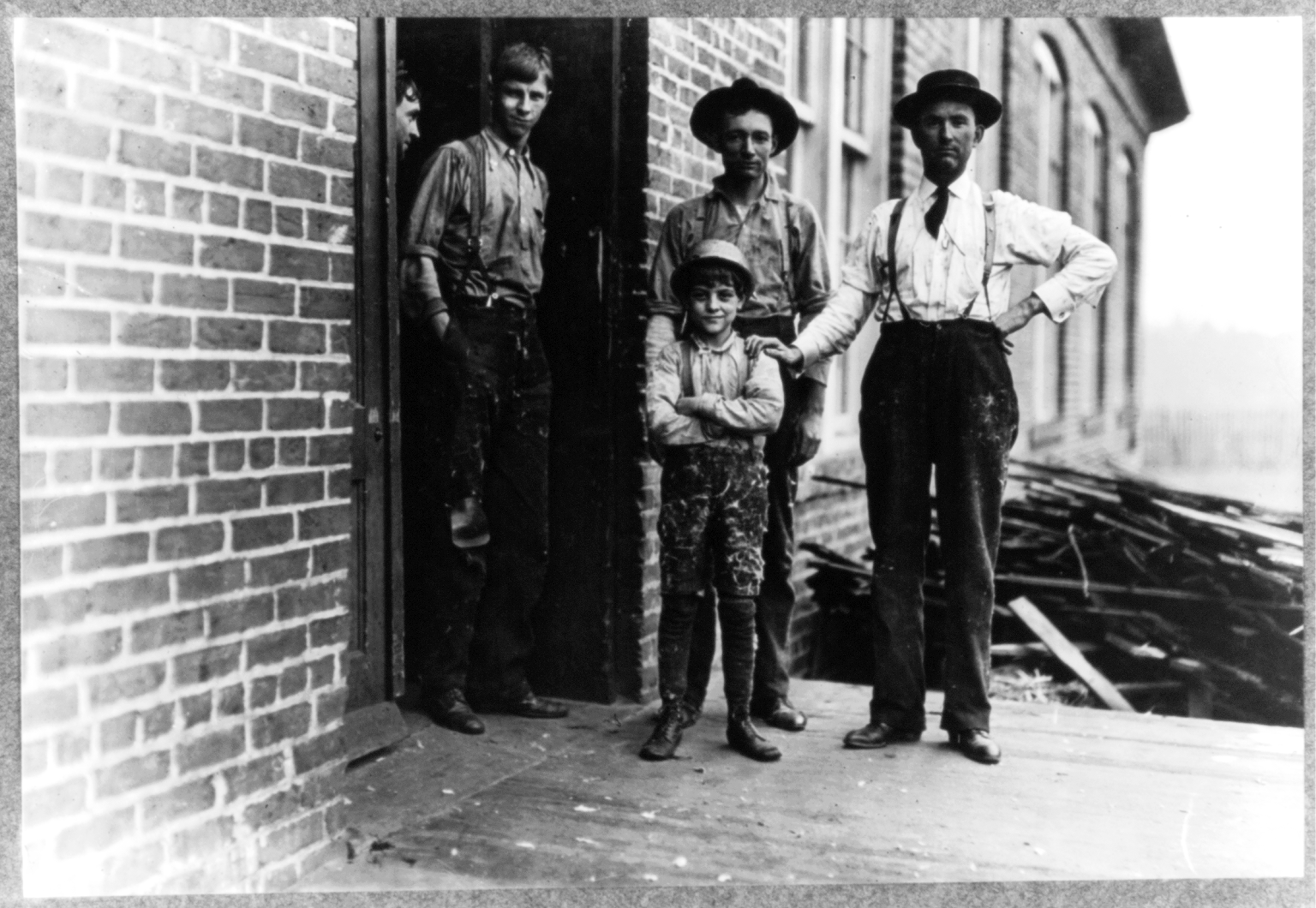
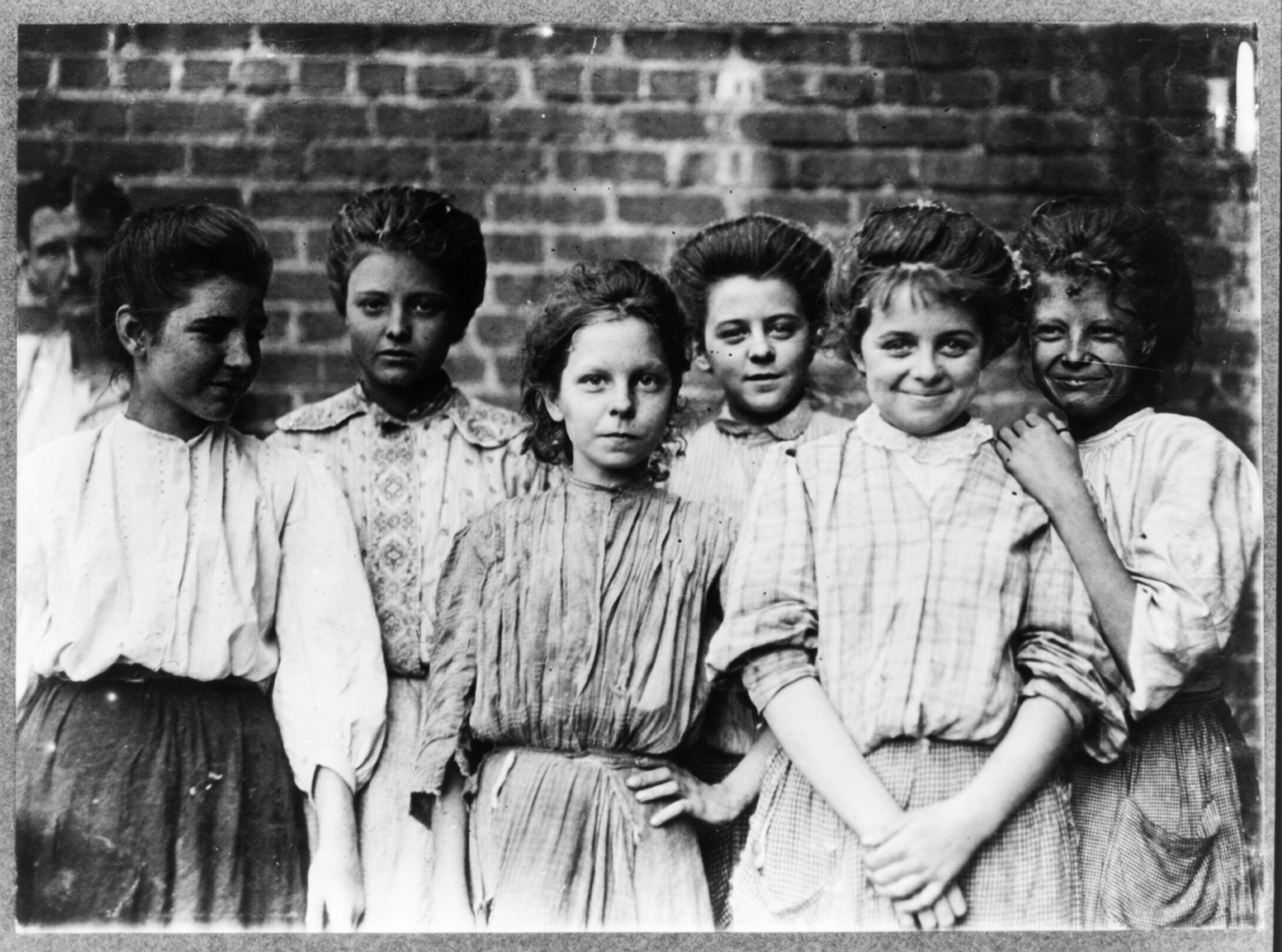
<p>This why all the images we know of child labor show unhappy children: we come across these images in the context of our story of the condemnation and subsequent abolishment of child labor.</p>

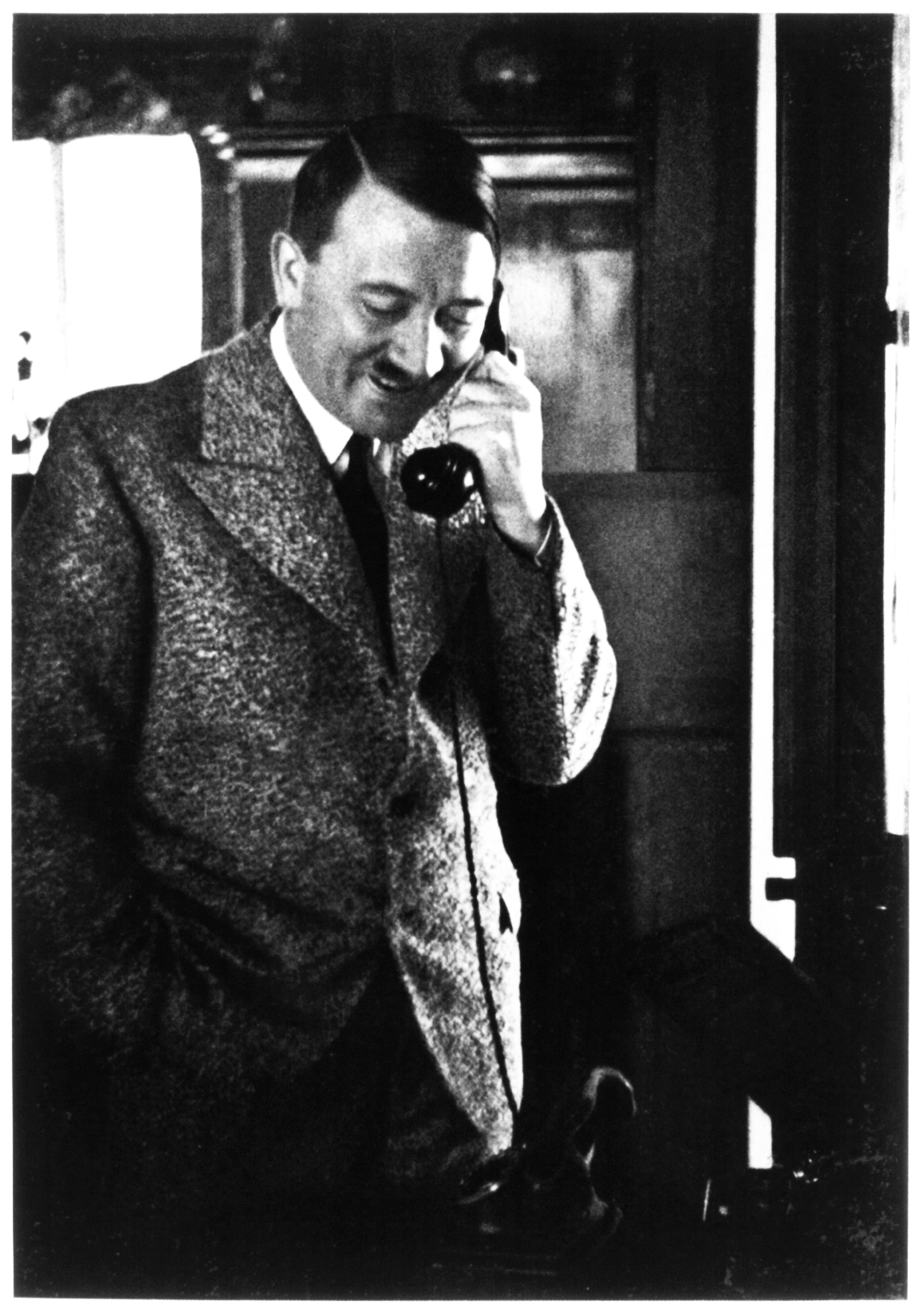
<p>But when browsing through contemporary image archives, you will find most images show smiling children. This makes perfect sense: a photographer's visit is a special and exciting occasion. It's the shock we get when confronted with these images that suddenly makes it possible for us to relate to our past. By freeing the image from its iconic role, we can stop seeing what's depicted as nothing but logical step in a larger story. We can identify, both with the children that are depicted, and the photographer taking the picture.</p>


<div>
<img alt="3a29770u.png" src="http://authoritism.ericschrijver.nl/assets_c/2009/02/3a29770u-thumb-1536x1060-1010.png" style="width:560px;height:386px;" class="mt-image-none" />
<img alt="3a29775u.png" src="http://authoritism.ericschrijver.nl/assets_c/2009/02/3a29775u-thumb-1536x1086-1012.png" style="width:560px;height:395px;" class="mt-image-none" />
<img alt="3a29771u.png" src="http://authoritism.ericschrijver.nl/assets_c/2009/02/3a29771u-thumb-1536x1141-1008.png" style="width:560px;height:415px;" class="mt-image-none" />
<h5>On the pictures taken for the American National Child Labor Comittee, most children look happy.</h5>

</div>

<div>
<img alt="hitler_blog_3a49925u.png" src="http://authoritism.ericschrijver.nl/assets_c/2009/02/hitler_blog_3a49925u-thumb-1081x1536-1003.png" style="width:480px;height:682px;" class="mt-image-none" />
<h5>Our archives house many photographs of Hitler, and he smiles on most of them.</h5>
</div>


<div>
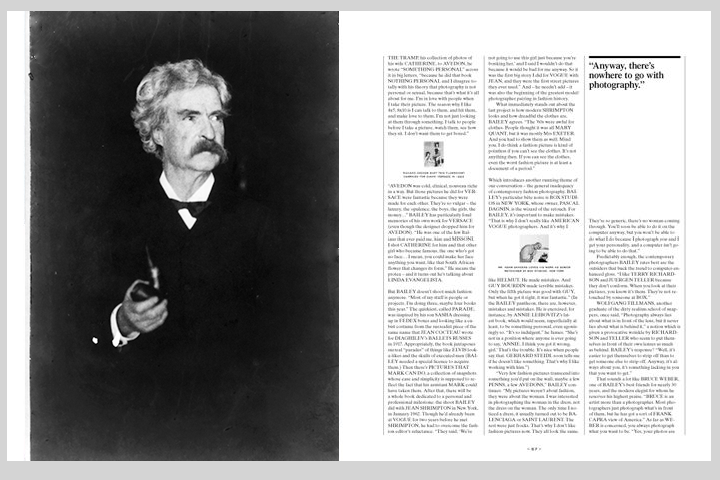
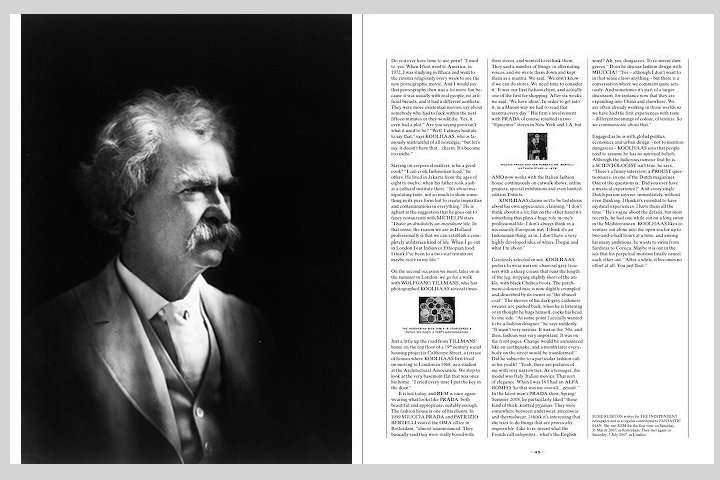
<img alt="twain_01.png" src="http://authoritism.ericschrijver.nl/visuals/twain_01.png" style="width:720px;height:480px;" class="mt-image-none" />
<img alt="" src="http://authoritism.ericschrijver.nl/visuals/twain_02.png" style="width:720px;height:480px;" class="mt-image-none" />
<img alt="twain_03.png" src="http://authoritism.ericschrijver.nl/visuals/twain_03.png" style="width:720px;height:480px;" class="mt-image-none" />

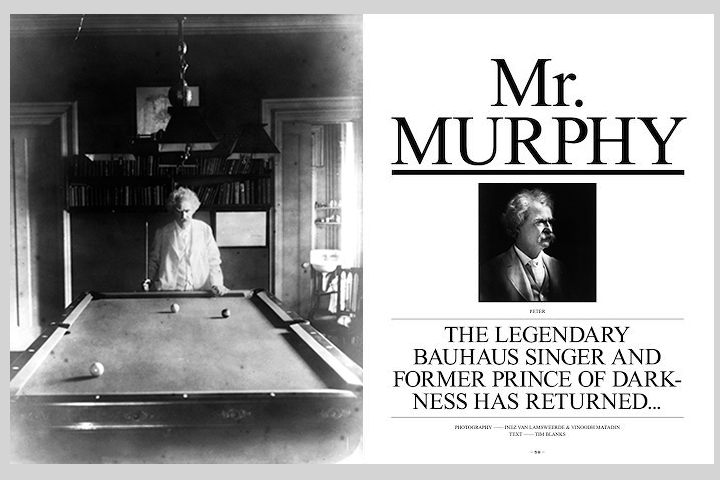
<h5>When you see his picture on the back of a book, Mark Twain is a long dead writer. When you see the whole series, you see he was a super star.<sup><a href="#q3">3</a></sup></h5>
</div>


<div>
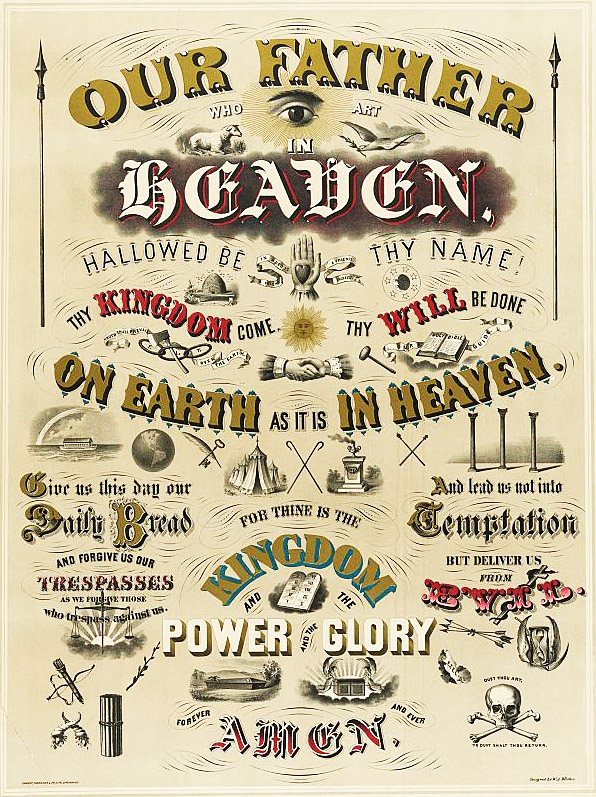
<img alt="" src="http://authoritism.ericschrijver.nl/visuals/blog_onze_vader.jpg" style="width:596px;height:797px;" class="mt-image-none" />
<h5>Forms we employ for ironic effect did not start out that way.</h5>
</div>

<p id="q1"><sup>1</sup> cf '<a href="http://brianna.modernthings.org/article/147/wikipedia-the-deeply-conservative-and-traditional-encyclopedia">Wikipedia, the deeply conservative and traditional encyclopedia</a>'<br />All The Modern Things, 2008</p>

<p id="q2"><sup>2</sup> cf '<a href="http://collecties.meermanno.nl/handschriften/">Interactieve presentatie handschriften</a>'<br />
Museum Meermanno-Westreenianum, 2003

<!--<blockquote>Wie weleens kijkt naar het door de VPRO uitgezonden geschiedenisprogramma Andere Tijden, weet dat voor de geschiedschrijving van onze eigen tijd het beeld als een onmisbare bron van informatie wordt gezien. Voor veel andere perioden in de geschiedenis is dat niet zo vanzelfsprekend. Als je het wat negatief formuleert, kun je zeggen dat beeldmateriaal nogal eens gebruikt wordt om op een beetje aardige manier te onderstrepen wat men toch al bedacht had op grond van het onderzoek van teksten.</blockquote>-->
</p>
<p id="q3"><sup>3</sup> Original spreads: <a href="www.fantasticmanmagazine.com">Fantastic Man</a></p>]]>
        
    </content>
</entry>

<entry>
    <title>Our goals clarified to our peers</title>
    <link rel="alternate" type="text/html" href="http://authoritism.ericschrijver.nl/announcement.html" />
    <id>tag:authoritism.ericschrijver.nl,2009://7.379</id>

    <published>2009-02-05T16:15:24Z</published>
    <updated>2009-02-12T16:04:30Z</updated>

    <summary>Our goals clarified.</summary>
    <author>
        <name>Eric</name>
        <uri>http://www.ericschrijver.nl</uri>
    </author>
    
    
    <content type="html" xml:lang="nl" xml:base="http://authoritism.ericschrijver.nl/">
        <![CDATA[<p>This is not really about the internet, but about something more specific and more general at the same time: digital public space. The project's aim is firstly applied and political, its artistic significance will be of secondary value.</p>

<p>Visual and cultural professionals, like E himself, take too small a part in defining our digital public landscape. E is ready to admit that we are partly to blame for that ourselves. It would be a shame, however, if all the nice values and concepts we represent get lost in the transition from an analogue to a digital society.</p>

<p>So in 2009, E will get our interests and the values out there again. The observation that led him to believe this is possible, was the remarkable similarity between the <a href="http://catb.org/~esr/writings/cathedral-bazaar/homesteading/">socioeconomics of open source hacking</a> and the <a href="http://openlibrary.org/b/OL22515934M">socioeconomics of the art world</a>. Both can be seen as functioning primarily as gift cultures. Hacker culture has seen a steady rise, both in its prestige, its social influence and the actual benefits it is bringing to our societies. E believes this is no coincidence: the economical model exemplified by open source seems well suited to a world in which traditional notions of money, property and capital are being redefined.</p>

<p>We salute the hackers for getting there first; we comfort ourselves knowing we can benefit from the knowledge they attained. Their precedent of <a href="http://en.wikipedia.org/wiki/Benevolent_Dictator_For_Life">reviving the concept of the benevolent dictator</a> convinced E that proclaiming himself art director of the internet was the right thing to do.</p>

<p>The concrete ways in which E is planning to attain his goals will gradually become apparent in the coming months. Partly because their success depends on the buzz of the unexpected, and partly because they will be taking shape as part of the process: learning by doing.</p>

<p>That is not to say E is embarking on this venture unprepared. During the previous months E has been amassing a collection of social and technical insights, cultural artefacts, and visual strategies, all which will serve us well.</p>

<p>This leaves one obvious question: what gives E the right to bestow upon himself this position of authority? The short answer: this is not <a href="http://en.wikipedia.org/wiki/Authoritarianism">Authoritarianism</a>, it's Authoritism. One of the values that E is propogating, is that our suspicion of those claiming authority should be reevaluated. If people start listening to E, it is not because they think this is the right thing to do, but because they think he is right. That represents a strength of a distributed community model: it makes the succes of an individual dependant on the approval of the community. The weakness of the system has now shifted from individuals, to the process of distribution itself. Every social platform we become a part of has its own semantic boobytraps that we are inclined to overlook. Our dependence on continious and instant communication has negatively effected our critical reflection on these processes themself, processes that can never be neutral.
	
So our suspicions should not be directed to the opiniated. Rather, we should set out to be suspicious of any one person or institution which presents itself as transparent, ineluctable, independent or neutral. E thinks the real dangers to society are not in people that claim authority to themselves; the dangers are in people that seek to place authority somewhere else, whether that's with a God, a company, or a moral concept.</p>

<p>You are invited to join the fray. Let the world know what happens when we leverage the awesome power of our cultural capital!</p>

<p>Eric,<br />
05-02-09</p>]]>
        
    </content>
</entry>

</feed>